

Preparing for rhinoplasty is just as important as the surgery itself. Whether you are planning a cosmetic nose job or a functional rhinoplasty to improve breathing, proper pre-operative preparation plays a crucial role in achieving safe surgery and optimal results. Patients who follow a structured rhinoplasty pre-op checklist often experience smoother recovery, fewer complications, and higher satisfaction with their final outcome.
This comprehensive guide explains how to prepare for rhinoplasty step by step, covering medical, physical, and mental preparation before nose surgery.
Why Pre-Op Preparation for Rhinoplasty Is So Important
Rhinoplasty is a complex surgical procedure that affects both facial aesthetics and nasal function. Pre-operative preparation helps your surgeon plan the operation accurately while ensuring your body is ready for anesthesia and healing.
Proper preparation:
- Reduces surgical risks
- Supports faster recovery
- Minimizes swelling and bruising
- Helps set realistic expectations
- Improves overall surgical success
Understanding what to do before rhinoplasty allows patients to feel more confident and in control of the process.

Step 1: Choose the Right Rhinoplasty Surgeon
The first and most important step in preparing for rhinoplasty is selecting a qualified and experienced surgeon. Look for a surgeon who specializes in rhinoplasty and has extensive experience with both cosmetic and functional nose surgery.
Before scheduling surgery:
- Verify board certification
- Review before and after rhinoplasty photos
- Read patient reviews and testimonials
- Schedule a detailed consultation
Choosing the right surgeon sets the foundation for a safe and successful rhinoplasty journey.
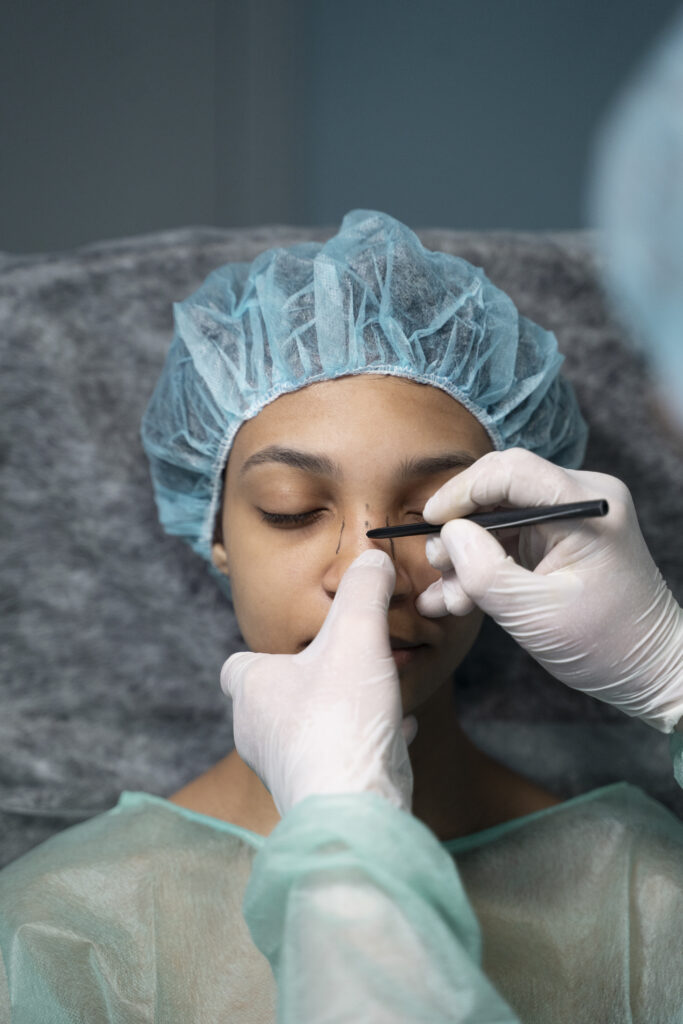
Step 2: Attend a Detailed Rhinoplasty Consultation
During your consultation, your surgeon will evaluate your nasal anatomy, facial proportions, and breathing function. This is also the time to openly discuss your goals and concerns.
Your consultation should include:
- Physical examination of the nose and face
- Discussion of open vs. closed rhinoplasty techniques
- Review of medical history and medications
- Explanation of risks and recovery timeline
- 3D simulation or visual planning, if available
Being honest about your expectations helps the surgeon design a personalized surgical plan.
Step 3: Medical Tests and Health Evaluation
Most surgeons require medical clearance before rhinoplasty. This ensures you are healthy enough for anesthesia and surgery.
Common pre-op medical requirements include:
- Blood tests
- ECG (especially for patients over 40)
- Chest X-ray if necessary
- Pregnancy test for female patients
Patients with chronic conditions such as asthma, diabetes, or high blood pressure should inform their surgeon early in the process.
Step 4: Stop Smoking and Nicotine Use
One of the most critical steps in rhinoplasty preparation is stopping smoking and nicotine use. Nicotine restricts blood flow and significantly slows healing.
Surgeons typically recommend:
- Stop smoking at least 2–4 weeks before rhinoplasty
- Avoid nicotine patches, vaping, and e-cigarettes
- Continue avoiding nicotine for several weeks after surgery
Quitting smoking improves oxygen delivery, reduces complications, and supports better scar healing.
Step 5: Review Medications and Supplements
Certain medications and supplements can increase bleeding risk during nose surgery. Your surgeon will provide a list of substances to avoid before rhinoplasty.
Common items to stop include:
- Aspirin and anti-inflammatory drugs (NSAIDs)
- Blood-thinning medications (unless approved by your doctor)
- Herbal supplements such as ginkgo, ginseng, garlic, and St. John’s Wort
- Vitamin E and omega-3 supplements
Always consult your surgeon before stopping any prescribed medication.
Step 6: Prepare Your Body for Surgery
Physical preparation supports faster healing and reduces post-operative discomfort.
Helpful tips include:
- Maintain a balanced diet rich in protein and vitamins
- Stay hydrated in the weeks leading up to surgery
- Get adequate sleep and rest
- Avoid alcohol at least one week before surgery
A healthy body heals more efficiently after rhinoplasty.
Step 7: Plan Time Off and Recovery Support
Rhinoplasty recovery requires time and rest. Planning ahead prevents stress after surgery.
Before surgery:
- Arrange at least 7–10 days off work or school
- Ensure someone can drive you home after surgery
- Ask a friend or family member to assist you during the first few days
- Prepare a comfortable recovery area at home
Most patients can return to light activities after one week, but full recovery takes several months.
Step 8: Prepare Your Home for Rhinoplasty Recovery
Setting up your recovery space before surgery makes a significant difference.
Recommended items include:
- Extra pillows to keep your head elevated
- Ice packs to reduce swelling
- Prescribed medications and pain relievers
- Saline sprays and nasal care products
- Soft foods that are easy to chew
Having everything ready helps you focus on healing instead of logistics.
Step 9: Understand What to Expect After Rhinoplasty
Mental preparation is just as important as physical preparation. Knowing what is normal after rhinoplasty helps reduce anxiety.
After surgery, patients may experience:
- Swelling and bruising around the eyes
- Nasal congestion and pressure
- Temporary changes in breathing
- Mild discomfort or tightness
Most swelling improves within a few weeks, but final rhinoplasty results may take up to 12 months to fully appear.
Step 10: Follow Pre-Op Instructions Strictly
Your surgeon will provide personalized pre-operative instructions. These guidelines are designed to minimize risks and optimize outcomes.
Common instructions include:
- Do not eat or drink after midnight before surgery
- Shower with antibacterial soap the night before
- Avoid makeup, lotions, and jewelry on surgery day
- Wear comfortable, loose-fitting clothing
Strict adherence to these instructions is essential for a smooth surgical experience.
Step 11: Mental and Emotional Preparation
Rhinoplasty can be emotionally significant. Preparing mentally helps patients feel calm and confident.
Helpful strategies include:
- Setting realistic expectations
- Avoiding comparison with others
- Asking questions during consultations
- Trusting the surgical plan
Remember that swelling can temporarily mask results, and patience is key.
Step 12: Travel Preparation for Rhinoplasty Abroad
Patients planning rhinoplasty in Turkey or another destination should plan travel carefully.
Important considerations:
- Arrive at least 1–2 days before surgery
- Book accommodation close to the clinic
- Confirm post-op check-up appointments
- Avoid long flights immediately after surgery
Medical tourism clinics often offer all-inclusive rhinoplasty packages that simplify this process.
Step 13: Final Pre-Op Checklist Summary
Before your rhinoplasty surgery, make sure you have:
- Chosen an experienced rhinoplasty surgeon
- Completed all medical tests
- Stopped smoking and restricted medications
- Prepared your home and recovery support
- Understood the surgical plan and recovery timeline
This checklist ensures you are physically and mentally ready for nose surgery.
Preparing for Rhinoplasty the Right Way
Proper preparation is a critical part of a successful rhinoplasty experience. By following a structured pre-op checklist, patients can reduce stress, avoid complications, and support optimal healing.
Rhinoplasty is not just a surgical procedure—it is a journey. Preparing carefully allows you to approach surgery with confidence and look forward to safe, natural, and satisfying results.


