

Rhinoplasty remains one of the most requested cosmetic procedures worldwide—and an increasing number of men are now seeking nose surgery to enhance their facial harmony, improve breathing, or correct past injuries. While the fundamentals of rhinoplasty are similar for both genders, male rhinoplasty requires a distinctly different approach in terms of aesthetics, anatomy, expectations, and surgical technique.
This comprehensive guide explores what sets male rhinoplasty apart, what men should expect before and after surgery, and how experienced surgeons tailor the procedure to maintain a natural, masculine appearance. If you are a man considering rhinoplasty, understanding these differences will help you make confident and informed decisions.
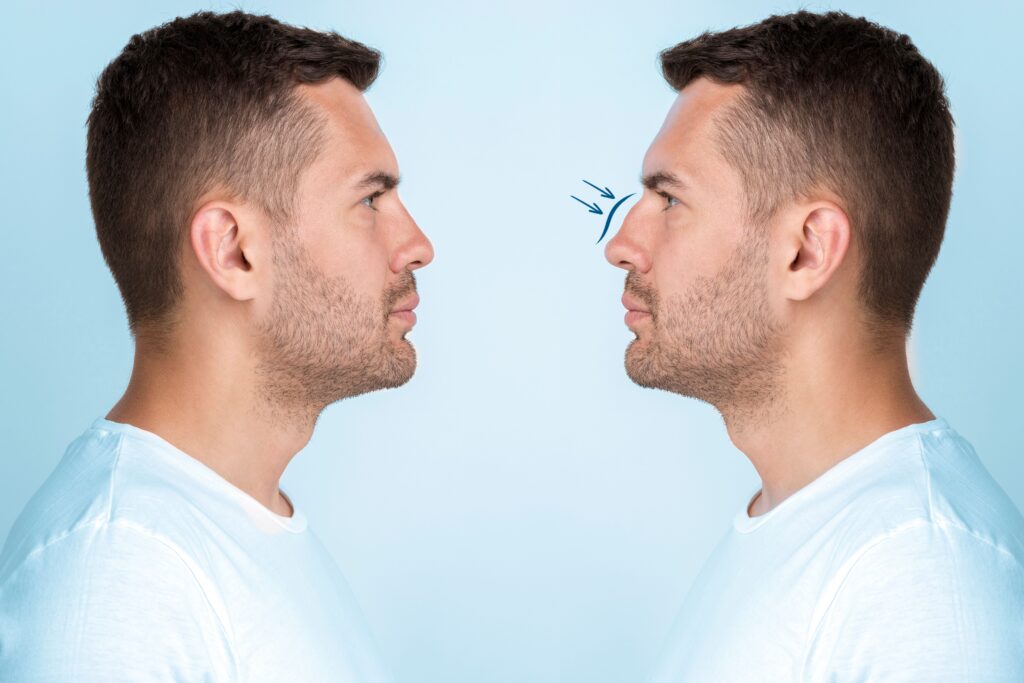
Why More Men Are Choosing Rhinoplasty
In recent years, there has been a noticeable shift in the cosmetic industry: men are increasingly prioritizing facial aesthetics and self-confidence. Several factors contribute to this rise:
1. Digital Appearance and Social Media
High-resolution cameras, online meetings, and social media visibility make facial features more noticeable than ever. Many men become more aware of nasal asymmetry, humps, or wide nasal bridges when they see themselves on screen.
2. Trauma and Sports Injuries
Men are statistically more likely to experience nasal fractures from sports and accidents. Rhinoplasty offers both functional repair and aesthetic improvement.
3. Natural-Looking Results
Modern surgical techniques emphasize subtlety and preservation, attracting men who want refinement without obvious surgical signs.
4. Improvement in Breathing
Many men pursue rhinoplasty to correct septal deviation, internal valve collapse, or chronic breathing problems.
Male vs. Female Rhinoplasty: What’s the Difference?
Although the procedure may appear similar, rhinoplasty for men requires unique planning and artistic judgment.
1. Nasal Aesthetic Goals
Male rhinoplasty focuses on maintaining:
- A stronger bridge
- A straighter nasal profile
- A less rotated, more defined tip
- A masculine frontal contour
In contrast, female rhinoplasty often aims for:
- Softer lines
- Slight dorsal reduction
- Mild tip rotation
This difference is crucial. An overly reduced or overly rotated nose on a man can create a feminized look, which is often the opposite of the patient’s goals.
2. Thicker Skin
Men typically have thicker nasal skin, especially over the tip, which affects:
- Swelling
- Healing time
- Definition of the final result
Surgeons must account for this by refining the cartilage more precisely and supporting the structure to hold its shape long-term.
3. Stronger Nasal Cartilage
Male nasal cartilage is usually firmer, giving surgeons more material to work with, but it also requires:
- Strong grafting
- Detailed shaping
- Structural reinforcement
This ensures the nose maintains its masculine definition after healing.
4. Higher Functional Expectations
Men frequently seek rhinoplasty to improve breathing. Conditions like deviated septum, turbinate hypertrophy, or valve collapse are more common among men due to sports injuries.
A successful male rhinoplasty requires a balance between function and form, ensuring that the airway remains open while the nasal shape is refined.
Common Concerns Men Want to Address With Rhinoplasty
1. Dorsal Hump Reduction
A prominent bump on the bridge is one of the most common concerns. While women often prefer a smoother and slightly concave profile, men usually want a straight and strong bridge.
Surgeons must reduce the hump without over-refining the nose, avoiding an overly delicate appearance.
2. Wide or Bulbous Tip
Male nasal tips tend to be fuller. Refinement involves:
- Cartilage reshaping
- Strategic suturing
- Support grafts
The goal is a defined but not overly pointed tip.
3. Crooked Nose
A deviated or asymmetric nose can result from natural growth or trauma. Correcting it may require:
- Straightening the septum
- Repositioning nasal bones
- Fixing fractures
- Strengthening internal support
A straighter nose contributes significantly to facial symmetry.
4. Wide Nasal Bridge
Some men request narrowing of the bridge while still maintaining a strong, masculine contour. Precision is essential to avoid creating a slim or feminized appearance.
5. Difficulty Breathing
Functional rhinoplasty improves airflow by correcting:
- Septal deviations
- Collapsed nasal valves
- Internal obstructions
Today, advanced techniques allow surgeons to improve function without compromising aesthetics.
The Consultation: What Men Should Expect
A successful male rhinoplasty begins with a thorough consultation. During this phase, the surgeon evaluates:
1. Facial Proportions
The nose must complement the chin, jawline, and cheekbones. For men, a balanced profile often requires:
- A straight bridge
- Minimal tip rotation
- Strong overall definition
2. Nasal Anatomy
The surgeon examines:
- Skin thickness
- Septal alignment
- Cartilage strength
- Airway patency
These factors determine the surgical strategy.
3. Personal Aesthetic Preferences
Some men prefer a more dramatic transformation, while others want a subtle enhancement that keeps their natural character.
4. Digital Simulation
Many clinics provide imaging technology to visualize potential outcomes. This helps align expectations and improve surgical planning.
Surgical Techniques Used in Male Rhinoplasty
1. Preservation Rhinoplasty
A modern technique that retains natural structures while reducing humps and refining shape. It is ideal for men who want:
- A natural look
- Faster healing
- Strong structural support
2. Structural Rhinoplasty
Surgeons rebuild or reinforce nasal support using grafts, particularly beneficial for:
- Thick-skinned patients
- Trauma cases
- Functional issues
3. Open vs. Closed Approach
- Open rhinoplasty offers better visibility and precision—often preferred for complex male noses.
- Closed rhinoplasty is used for simpler cases with minimal incisions.
4. Functional Repair
Including septoplasty, valve repair, and turbinate reduction ensures that breathing is optimized.
Recovery: What Men Should Know
Men often return to work or sports faster than expected, but they should understand the recovery stages.
Week 1: Initial Healing
- Cast removal
- Bruising around the eyes
- Swelling at the bridge and tip
Most men feel comfortable returning to office work after 7–10 days.
Weeks 2–4: Subtle Improvement
- Bruising fades completely
- Swelling decreases
- Breathing improves
Light exercise can resume after two weeks.
Months 3–6: Definition Appears
- Tip refinement becomes visible
- Bridge shape settles
- Asymmetries start to resolve
1 Year: Final Results
Male rhinoplasty, especially with thicker skin, may take up to 12 months for the final contour to fully emerge.
Setting Realistic Expectations
Expectations play a major role in satisfaction. Men should consider:
1. Natural Results Take Time
Due to thicker skin, tip definition takes longer compared to women.
2. Masculinity Must Be Preserved
A good surgeon ensures the nose fits the patient’s overall facial structure and maintains a strong appearance.
3. Perfection Is Not Realistic
Small natural asymmetries are normal and often unavoidable.
4. Breathing Function Comes First
Cosmetic changes should never compromise airway function.
Choosing the Right Surgeon for Male Rhinoplasty
Selecting an experienced surgeon is essential. Look for a doctor who:
- Specializes in male rhinoplasty
- Has a portfolio of male patient results
- Understands ethnic variations
- Uses modern surgical techniques
- Communicates clearly and realistically
Experienced surgeons understand that the goal is not to “beautify” but to strengthen and balance masculine facial features.
Male Rhinoplasty Is About Subtle, Masculine Enhancement
Rhinoplasty for men is a highly individualized procedure that demands advanced skill, technical precision, and artistic understanding of male facial aesthetics. With the right surgeon, men can achieve:
- A straighter, more defined nose
- Improved breathing
- Enhanced confidence
- A natural, masculine look
Whether the goal is correcting an old injury, refining nasal shape, or improving function, male rhinoplasty offers long-lasting benefits tailored to the unique needs of male anatomy and aesthetics.


