Primary Rhinoplasty
Primary rhinoplasty is a first operation on a nose that has never had surgery, for people whose facial growth is complete and who want to change its shape, breathe more easily, or both. Op. Dr. Furkan Şengöz plans the shape and the airway together, based on your facial proportions and an endoscopic examination of the inside of your nose.
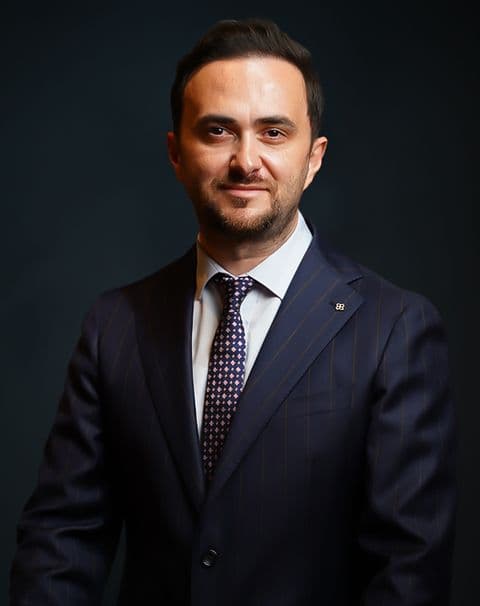 Medical content: Op. Dr. Furkan Şengöz
Last reviewed:
Key facts
- Anaesthesia
- General anaesthesia
- Hospital stay
- Usually 1 night
- Splint removal
- Around day 7
- Back to desk work
- Usually 7-14 days
- Final result
- Usually within 12-18 months
- Stay in Istanbul from abroad
- Usually 5-7 nights
Who is primary rhinoplasty for?
Primary rhinoplasty suits people who have never had nose surgery and want a different shape, easier breathing, or both. Common reasons are:
- A hump on the bridge of the nose
- A wide, rounded or drooping tip
- A crooked or asymmetric nose
- A nose that looks out of proportion with the rest of the face
- Difficulty breathing through the nose, often caused by a deviated septum
Shape concerns and breathing problems often come together, and both are assessed at the same examination.
Is there a minimum age for a first rhinoplasty?
There is no fixed age. What matters is that facial growth is complete, because the nose keeps changing until then. As this differs from person to person, it is assessed at your examination.
Why is the inside of the nose examined first?
As an ENT surgeon, Op. Dr. Furkan Şengöz examines the inside of the nose with an endoscope before planning any change to its shape. This shows the septum, the turbinates and the nasal valve, the narrowest part of the airway.
If one of these narrows the airway, it is corrected in the same operation:
- Septum: straightened if deviated (septoplasty).
- Turbinates: reduced if enlarged.
- Nasal valve: supported if narrow or weak, for example with a cartilage graft from the septum.
The aim is to avoid a nose that looks smaller but breathes worse.
How is the new shape planned?
Planning starts with photos of your face from the front, the sides and below. Angles measured on the profile give a starting point:
- Nasofrontal angle (between forehead and nose): about 115-130°
- Nasolabial angle (between nose and upper lip): about 90-110°
- Nasomental angle (between nose and chin): about 120-132°
These values are a reference, not a target. Skin thickness, cartilage strength and your wishes are discussed, and the target shape is agreed with you before surgery.
How is the choice made between open and closed technique?
- Open technique: a small incision is added on the strip of skin between the nostrils (the columella), giving a direct view of the tip cartilages. It leaves a fine scar that fades considerably over time.
- Closed technique: all incisions are made inside the nostrils. It suits noses where the changes are limited, mainly to the bridge.
The choice depends on what needs to change, not on a general preference: detailed tip work or a marked asymmetry often calls for the open technique. It is decided at your examination.
What happens during the operation?
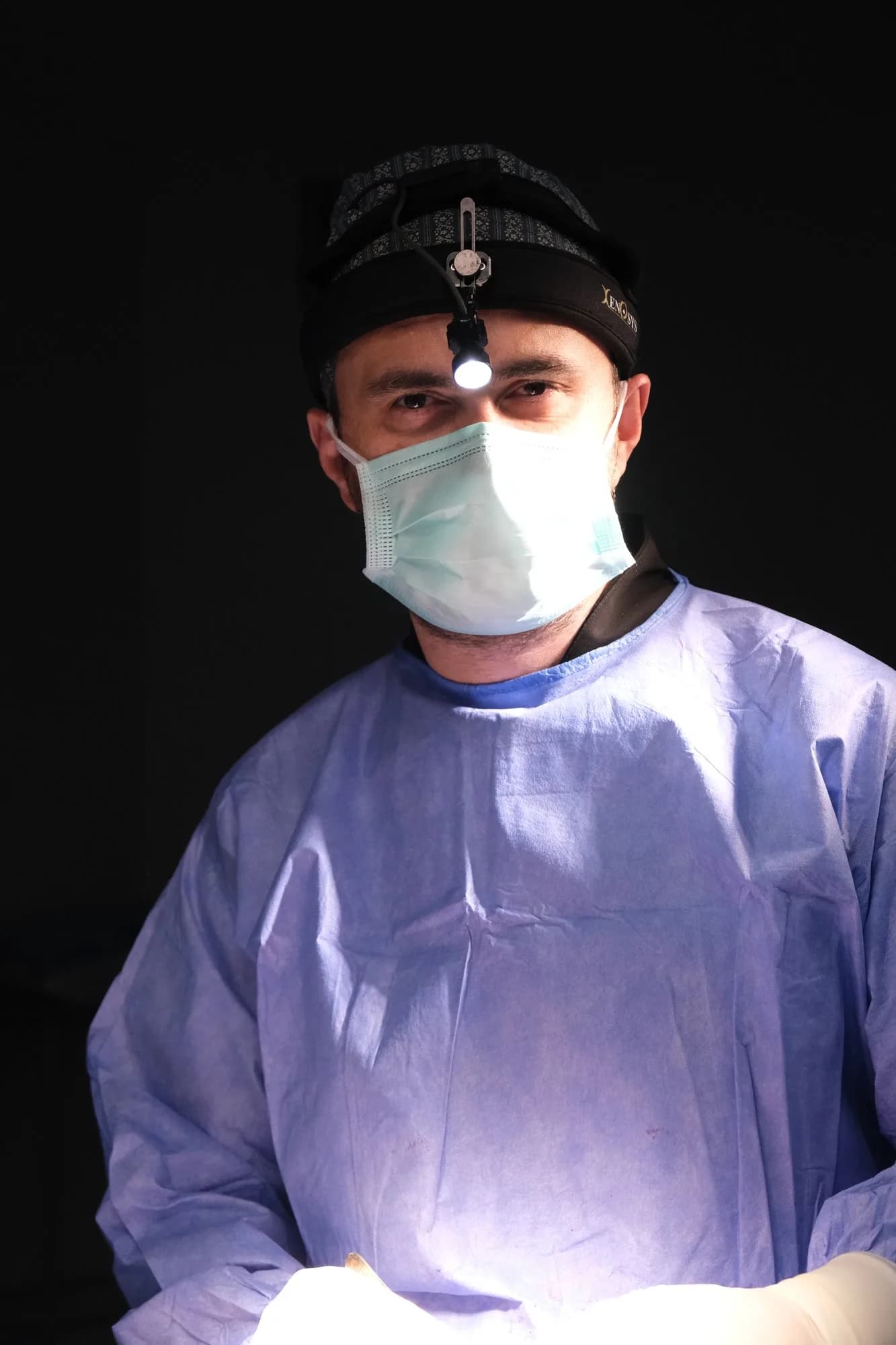
The operation is done under general anaesthesia. An ultrasonic (piezo) device shapes the bone in a controlled way, aiming for less trauma to the surrounding tissue. Its length depends on your plan and is set at your examination. The hospital stay is usually one night.
Can I be assessed with photos from abroad?
Yes. Photos of your nose from the front, the sides and below, with a short description of any breathing problems, give a first opinion. The final plan is made at the examination in Istanbul, including the endoscopy.
Patients from abroad usually plan 5 to 7 nights in Istanbul, and follow-ups after returning home can be online.
What is recovery like?
- First week: swelling and bruising are at their peak, and a splint sits on the nose.
- Around day 7: the splint is removed.
- After 7-14 days: most people return to desk work.
- First few months: most of the swelling goes down.
- Within 12 to 18 months: the final shape usually settles.
What are the risks of rhinoplasty?
Like any surgery, rhinoplasty carries risks: bleeding, infection, swelling that lasts longer than expected, asymmetry, breathing that does not improve as expected and, in some cases, the need for a further (revision) operation. Your own risks are discussed at the examination, together with what can and cannot be changed in your nose.
The process
Examination
The outside of your nose is assessed and the inside is examined with an endoscope, so shape concerns and breathing are looked at together.
Planning
The target shape, the technique and any airway work are agreed with you, based on your photos and facial proportions.
Surgery
Under general anaesthesia the bone is shaped with an ultrasonic (piezo) device, and the septum or turbinates are corrected in the same operation if needed.
Recovery
The splint comes off after about a week. Follow-ups happen in person or online if you live abroad.
Frequently asked questions
Will I have open or closed rhinoplasty?
It depends on what needs to change in your nose. The closed technique uses incisions only inside the nostrils and suits limited changes, mainly to the bridge; the open technique adds a small incision between the nostrils and gives a direct view when the tip needs detailed work. The choice is made at your examination.
Can a deviated septum be corrected in the same operation?
Yes. If the septum, the turbinates or the nasal valve narrow your airway, they are treated in the same operation as the change of shape. This is why the inside of the nose is examined with an endoscope before planning.
Will my nose look operated?
The aim is a nose that suits your face and does not look operated. Planning is based on your own facial proportions rather than a standard template, and the target shape is agreed with you before surgery. Healing differs from person to person, so a result cannot be promised.
Is rhinoplasty painful afterwards?
Most people feel discomfort rather than strong pain, and it is usually managed with painkillers. The main complaint is a blocked nose in the first days, caused by swelling and the splints. This feeling eases as the swelling goes down and the splints are removed.
When can I wear glasses or do sport again?
Glasses should not rest on the bridge of the nose for the first weeks, while the bones heal. Light walking is usually fine early on, but strenuous exercise and contact sports wait longer. You are told when to restart each activity at your check-ups, based on how your nose is healing.
Sources
- Clinical Practice Guideline: Improving Nasal Form and Function after Rhinoplasty. Otolaryngology-Head and Neck Surgery (AAO-HNS Foundation), 2017
- The Role of Piezoelectric Instrumentation in Rhinoplasty Surgery. Aesthetic Surgery Journal, 2016
- Nose reshaping (rhinoplasty). NHS, 2023
- FAQs: Rhinoplasty Patients. ENThealth, American Academy of Otolaryngology-Head and Neck Surgery Foundation, 2019